

Officiating Program
Make the call. Change the game.
Florida’s courts need you. Whether you love the rules, live for fair play, or want to give back to the game — becoming a USTA Florida certified official is your move.
More than a whistle and a rulebook
USTA Florida officials are ambassadors for the sport. You’ll gain real skills, real connections, and a front-row seat to some of the best tennis in the Southeast.
Flexible Schedule
Official on your terms. Work local league matches, weekend tournaments, or high-stakes sectional events — you choose how much you take on.
Rules Mastery
Deepen your understanding of the ITF Rules of Tennis and USTA Regulations. You’ll become the authority players and coaches look to on the court.
Real Networking
Work alongside tennis directors, coaches, and industry leaders. Your officiating career opens doors across Florida’s thriving tennis community.
Transferable Skills
Problem-solving under pressure, clear communication, leadership, adaptability — the same skills that make a great official make a great professional.
Give Back to Florida
Florida tennis grows because of people like you. As a certified official, you’re part of the foundation that keeps the game fair, fun, and open for all.
Earn & Advance
Grow from local community matches to high-profile sectional and national events. The more you work, the higher you go — with part-time income along the way.
Officiating Roles
Five ways to be on the court
Every great tournament needs a full team of officials. Find the role that fits how you want to serve the game.
The backbone of any tournament. Roving Umpires oversee multiple courts — keeping warm-ups on schedule, resolving scoring disputes, and managing the overall flow of play. This is the entry point for all new officials.
One job, done perfectly. Line Umpires are responsible for every shot directed to their assigned lines — providing the split-second accuracy that protects the integrity of every point.
The authority on one match. Chair Umpires call lines, announce the score, manage the match clock, and make the final ruling on every question of fact. Presence and precision required.
The ultimate authority. Referees ensure competitions run under ITF rules and USTA Regulations — overseeing players, coaches, parents, spectators, and all officiating staff. Strategic, decisive, and experienced.
The coordinator behind the curtain. Chief Umpires schedule umpires, organize court assignments, and keep logistics running smoothly at major events — often under delegation from the Referee.
| Role | Level | Primary Responsibility | Where You’ll Work |
|---|---|---|---|
| Roving Umpire | Entry Level | Court readiness, warm-up timing, scoring disputes, spectator control across multiple courts | Local leagues, USTA Florida tournaments |
| Chair Umpire | Intermediate | Calling lines, announcing score, recording match data, final rulings on all facts | Sectional tournaments, competitive draws |
| Line Umpire | Intermediate | Calling all shots to assigned lines with accuracy and speed | Sectional and national-level events |
| Referee | Advanced | Overseeing all competition under ITF and USTA rules; managing all personnel on site | Sectional championships, USTA national events |
| Chief Umpire | Senior | Scheduling umpires, court assignments, and logistics coordination | Large-scale tournaments under Referee delegation |
Florida tennis needs great officials. Be one.
Join a community of passionate tennis officials making a difference on courts across the Sunshine State. Your officiating journey starts with one click.
Latest Officials News
See all Officials News
USTA Florida Hosts Second Tournament Directors & Officials Workshop, SwingVision ELC Demo, & More

Powering the Future of Tennis: SwingVision ELC Demo, Tournament Director & Officials Workshop
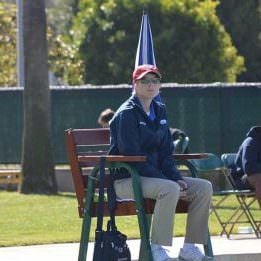
Two Orlando Tennis Officiating In-Person Workshops in May
FAQ
Frequently Asked Questions About Officiating
Answers about becoming a certified official.
You’ll start by creating an OfficialsFirst account and choosing a certification path. Roles range from roving umpires to chair and referee positions, and training helps you build real skills.
No. If you love fair play and want to give back to the game, training will teach you what you need. Many officials start simply because they enjoy the sport.
There are several ways to be on court, from line and roving roles to chair umpire and referee positions. This page explains each so you can find your fit.
Officials work at tournaments and championship events across the state, including sanctioned events run by directors and facilities.
Create your OfficialsFirst account to begin, and if you have questions along the way, reach out to us.
Connect With Us
Have a question, need some guidance, or want to learn more?
Reach out anytime, and our team will be happy to point you in the right direction.